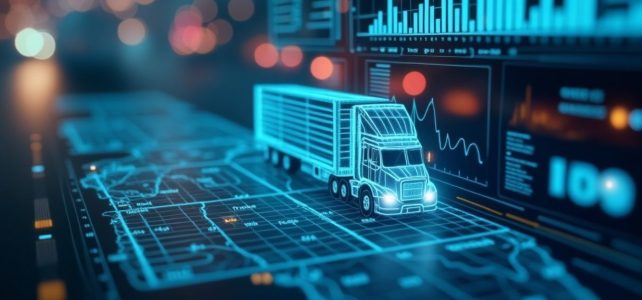
Cold numbers, kilometers lined up on a screen, and behind them, a reality in full transformation: fleet management is no longer what it was twenty years ago. Today, every company, whether it operates ten or a hundred vehicles, seeks to maximize its resources. Avoiding unnecessary expenses, enhancing safety, gaining agility: fleet tracking has become the ultimate strategic lever. But it’s no longer enough to locate vehicles on the fly; now, the goal is to leverage every piece of data to turn mobility into a concrete advantage. Advanced telematics tools give managers the ability to instantly monitor fuel consumption, anticipate maintenance, and analyze driving habits. This proactive, almost surgical approach allows for cutting problems short before they become financial black holes or logistical headaches.
The basics of fleet tracking: technology and strategy
To take advantage of fleet tracking, one must understand its inner workings. Three pillars structure these systems: onboard GPS, sensors scattered throughout the vehicles, and software that makes the data speak.
The GPS is the modern compass for fleet managers. Thanks to this system, each vehicle is displayed in real-time on a digital map, enabling dynamic route management. Gone are the risky detours or prolonged downtime: we know exactly where each utility vehicle is, down to the minute, allowing for quick reactions and optimization of every trip.
Meanwhile, onboard sensors act as mechanical sentinels. They monitor the health of the fleet: tire pressure, oil level, engine temperature… A warning light that comes on a bit too often? The data is relayed, allowing for intervention before the problem worsens. This technical vigilance limits unexpected breakdowns and avoids the hefty bills of major repairs.
But all this data would remain silent without good analytical software. Analysis tools transform information flows into readable dashboards: consumption trends, monitoring driving behaviors, intelligent mission allocation. These reports provide decision-makers with a clear vision to refine processes, reduce waste, and enhance overall performance.
Tangible benefits for the company
The impacts of well-orchestrated fleet tracking are immediate and measurable. Here are the main benefits that companies observe on a daily basis:
- Reduction of expenses: Optimizing routes reduces trips to the pump. Preventive maintenance, based on reliable data, also helps limit unexpected interventions and accumulating costs.
- Enhanced safety: By monitoring driving, it becomes possible to target risky behaviors. Managers can then propose corrective actions, such as tailored training, to limit accidents and protect teams.
- Increased productivity: Real-time tracking clarifies resource allocation. An example? A manager can assign an available driver to an urgent mission without wasting time. Every minute counts, and every trip is justified.
- Better customer experience: With precise visibility on vehicle positions, it becomes possible to provide customers with reliable timelines. This transparency improves business relationships and builds lasting loyalty.
Obstacles and points of vigilance
Even though the promises are numerous, fleet tracking is not without its pitfalls. Deploying such tools requires method and anticipation.
Installing a system, choosing the right equipment, ensuring compatibility with existing setups: the startup can prove technical. It is also necessary to support teams, training each user to ensure that the tool becomes an ally, not a constraint.
The issue of data must never be relegated to the background. Fleet tracking involves massive data collection on vehicles and their users. Each company must therefore demonstrate exemplary behavior regarding privacy and data security, lest trust erode and regulatory compliance be called into question.
Tomorrow, fleet tracking reinvents itself
The technological dynamic continues to shake up the sector, opening the door to innovations that redefine usage. Artificial intelligence and machine learning are making their way into management software. These tools analyze huge volumes of data to anticipate maintenance needs or automatically adjust routes based on traffic or fleet condition.
Another structuring trend is the Internet of Things (IoT). By multiplying connected sensors and smart devices, managers benefit from an almost exhaustive view of each vehicle’s operation. Optimization margins expand, and responsiveness improves.
Finally, the environmental issue is becoming increasingly pressing. The transition to electric vehicles requires new specialized software capable of optimizing charging and maximizing vehicle range. Companies that commit to this path combine operational performance with a reduction in their carbon footprint. Fleet tracking then becomes a driver of sustainable transformation, at the intersection of innovation and responsibility.
Tomorrow, fleet managers will no longer have to choose between performance, safety, and respect for the planet. Optimization tools will empower them to align all these requirements and turn every kilometer traveled into a winning opportunity.