
The rapid advancements in technology are transforming our daily lives. The optimization of energy to automate tasks opens up fascinating prospects. Smart homes, equipped with sophisticated energy systems, allow for more efficient consumption management. Connected devices, from thermostats to refrigerators, adjust their operation in real-time to save energy. In the industrial sector, automation is revolutionizing production lines. Robots powered by renewable energy sources take on repetitive manual tasks, thereby improving efficiency and reducing carbon footprints. These advancements are not just technological feats; they are redefining how we interact with our environment and manage our resources.
Technological Innovations in Energy Automation
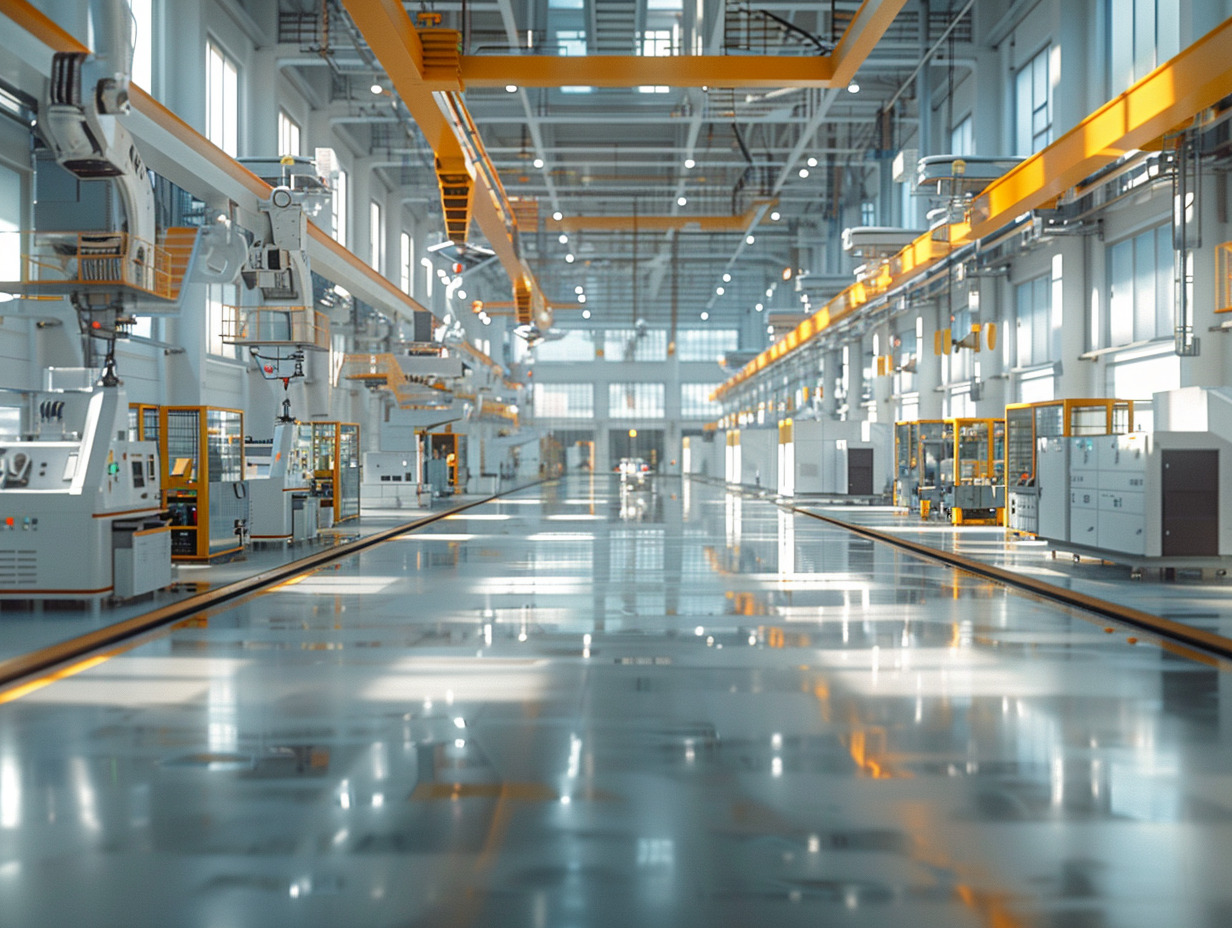
Technological innovations in energy automation rely on sophisticated systems to optimize energy consumption and management. Automation uses smart sensors to monitor energy consumption in real-time, allowing for instant adjustments and better energy efficiency. Robots, integrated into production lines, execute commands using a renewable energy source, reducing operating costs and improving productivity. These robots are often controlled by sophisticated control systems that manage industrial processes with precision. The use of production management software allows for the optimization of operations by analyzing production data and identifying improvement opportunities. Artificial intelligence and machine learning make these systems smarter and capable of predicting failures, thereby reducing service interruptions and associated costs. Collaborative robotics and IoT (Internet of Things) make automation more affordable and accessible for small and medium-sized enterprises. With these technologies, businesses can integrate advanced automation solutions without requiring heavy initial investments, while benefiting from better energy management and a reduction in their carbon footprint.
Impacts and Prospects of Energy Automation
Energy automation transforms industrial enterprises into true models of energy efficiency. Factories adopt advanced technologies to monitor, analyze, and optimize energy consumption. This approach not only reduces operating costs but also allows companies to more easily comply with environmental regulations. Technologies such as smart sensors and production management software enable real-time data analysis, thus identifying opportunities for improvement. By integrating IoT (Internet of Things), systems become more interconnected and responsive, allowing for finer energy management. The impacts of energy automation are not limited to businesses alone. The environment benefits from a reduction in greenhouse gas emissions, thanks to more rational energy consumption. Renewable energies are increasingly integrated into processes, thereby reducing dependence on fossil energy sources. The prospects for automation are promising. Advances in artificial intelligence and machine learning make systems smarter and more proactive, anticipating failures and optimizing processes. Collaborative robotics allows small and medium-sized enterprises to benefit from these technologies without requiring heavy initial investments.
- Reduction of operating costs
- Improvement of energy efficiency
- Compliance with environmental regulations
- Integration of renewable energies
Consider the impact of these technologies on energy management and the environment. Companies must adopt these innovations to remain competitive and responsible while contributing to a more sustainable future.